
Between grading, emails, and hallway conversations, most teachers don’t have a spare hour for PD. That’s why we’re doubling down on 15‑minute micro‑courses that fit between bells instead of after school.
It’s easy to compare micro‑courses to the way people engage with entertainment and games online: short, focused sessions instead of long marathons. On some platforms, like qqmamibet, players jump in for quick rounds, get feedback immediately, and then decide whether to continue or take a break. That “small but complete session” mindset is exactly how we design Crostini learning experiences—only our end goal is stronger teaching, not winning a jackpot.
The difference is in the outcomes. Gambling platforms are built around risk and chance, but high‑quality micro‑courses are built around clarity and mastery. We borrow the best parts of the UX—clear goals, visible progress, instant feedback—without the pressure, so teachers can explore new ideas in a low‑stakes, supportive environment.
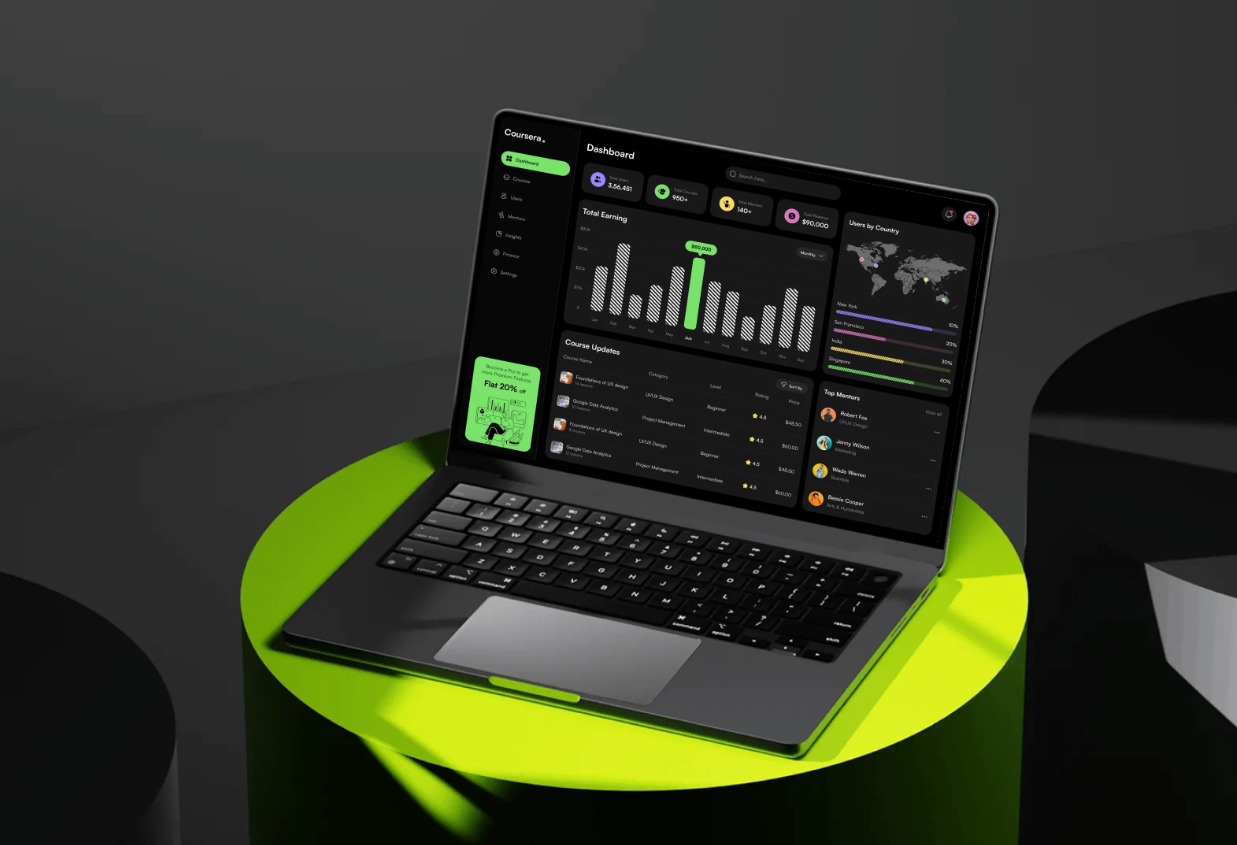
One Small, Practical Move at a Time
Each Crostini micro‑course focuses on a single, concrete move you can use this week: setting up a new activity type, reusing a favorite lesson as a self‑paced path, or pulling quick data on who needs help before tomorrow’s class. Instead of a dense slideshow about “best practices,” you see a specific workflow from start to finish.
Always classroom‑first: examples are built from real student work and real classroom scenarios, not generic demo content. You see how a middle‑school science teacher structures a lab reflection, or how a high‑school history teacher uses prompts for source analysis. That makes it easy to mentally swap in your own subject and students.
All in one place: each micro‑course lives inside the same space where you build and assign activities. You can watch a short clip, click “Try it,” and immediately push a template to your classes—no extra logins, tabs, or downloads.
Designed for Busy Weeks, Not Perfect Ones
Micro‑courses only work if they respect the reality of a school day. That’s why most of our sessions are built around a 15‑minute loop: watch a 3‑ to 5‑minute walkthrough, complete a guided “Try it” step inside Crostini, and then answer two reflection prompts you can share with your team later.
Some teachers complete an entire micro‑course in one planning period; others chip away over the week—five minutes before first bell, five minutes at lunch, five minutes after dismissal. You don’t lose your place, and you never have to rewatch a full webinar just to find the one slide you cared about.
Track progress: as you finish each session, Crostini automatically records your completion. You can see which topics you’ve covered—formative checks, feedback flows, student self‑reflection—and which ones you might want to revisit. Department leads can use this view to plan shared PD goals without adding extra meetings.

From Idea to Classroom in a Single Bell
A good micro‑course doesn’t stop at “now you know”—it gets you to “now you’ve done it at least once.” That’s why most sessions end with a ready‑to‑use template, checklist, or example board you can adapt for your next class. The goal is to reduce the gap between learning about a strategy and trying it with students.
For example, a micro‑course on exit tickets might walk you through three different prompt types, then offer a drag‑and‑drop activity you can assign immediately. You leave with something students will see today, not a note to revisit “sometime this semester.”

Build a Micro-Course Series for Your Team
If your team wants to pilot a micro‑course series, Crostini can help you turn existing lessons and routines into short, teacher‑friendly learning paths. Start with a focus area—formative assessment, student reflection, collaborative projects—and we’ll help you map it into a sequence of 3‑5 sessions that fit naturally into your calendar.
You decide how to celebrate progress: shared reflection docs, informal lunch‑and‑learns, or a short showcase where colleagues trade templates they’ve built along the way. The idea is simple: professional learning should feel like a series of manageable wins, not a backlog of missed webinars.
Between bells, a lot can happen—a quick hallway conversation, a student question that changes your plan, or a new idea you want to try next period. Micro‑courses are our way of making sure professional growth can fit into those same small pockets of time, so that your best teaching ideas don’t have to wait for a “free” afternoon that never appears.