
The first five minutes of class set the tone for everything that follows. When students know exactly what to do as soon as they sit down, the room gets quieter faster and you reclaim time that usually disappears into transitions.
Crostini warm-ups give every student the same simple starting line: log in, read a short prompt, and respond. Some teachers joke that scrolling social feeds or trying their luck on ugwin288 is how they unwind after a long day—but during those first classroom minutes, your environment should feel the opposite of a casino. Instead of random stimuli, students see one clear task that nudges their brain into “learning mode.”
In this post we will walk through quick, reusable routines you can drop into any subject—exit-ticket follow‑ups, review questions, or one‑slide checks for understanding—so your classroom launches smoothly instead of restarting from zero every period.
1. Design a predictable warm-up pattern
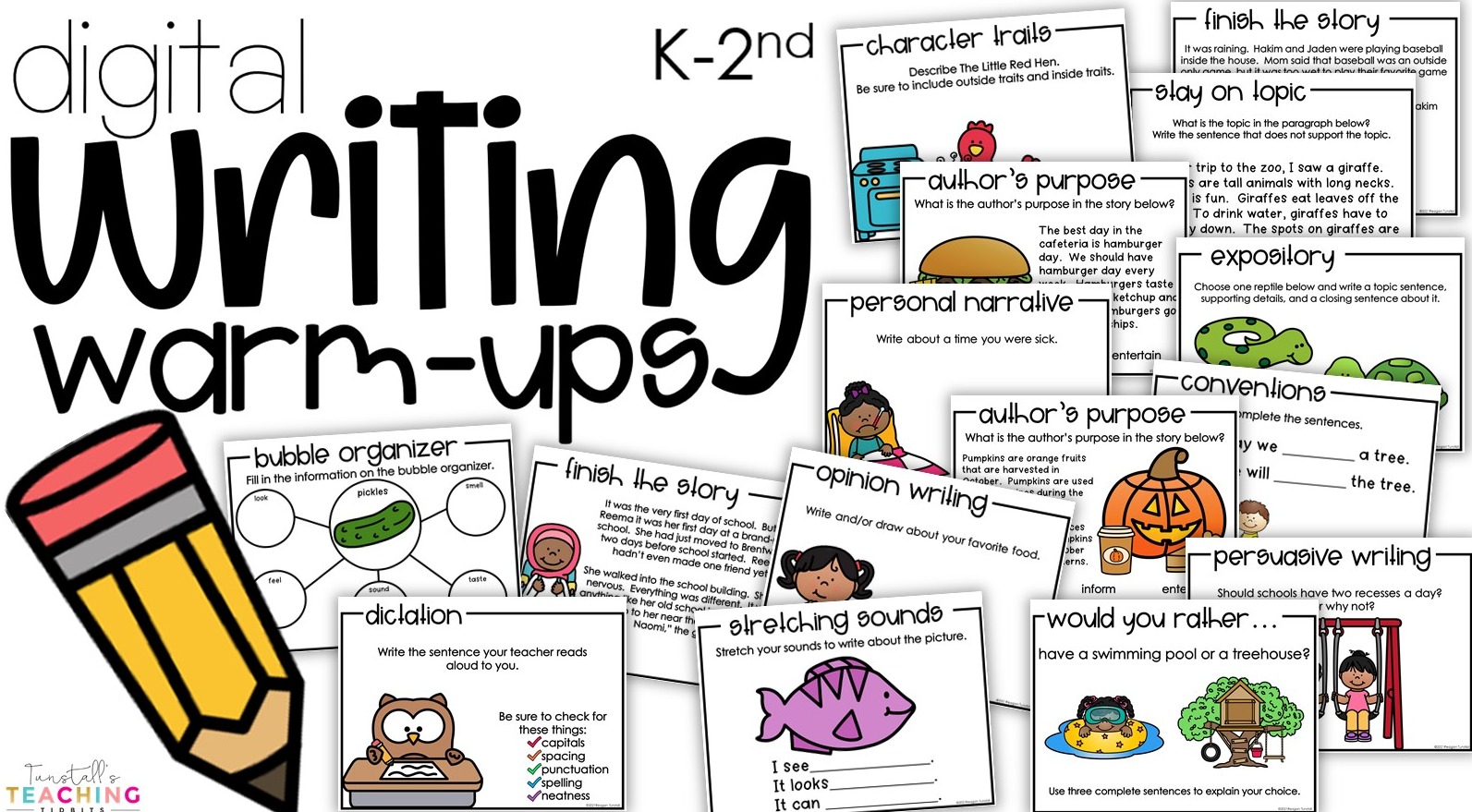
The most effective warm-ups are less about clever prompts and more about predictable patterns. Students should be able to answer two questions immediately: “Where do I look?” and “What do I do first?” With Crostini, that usually means opening the day’s activity, reading one short instruction, and responding in a single text box, multiple choice set, or quick drawing space.
Try committing to one format for a full unit—a two‑question check‑in, a quick prediction, or a “last lesson, one sentence” summary. Consistency lowers cognitive load for students, especially those who struggle with executive function, and lets you focus on the substance of their answers instead of re‑explaining the routine.
2. Connect warm-ups to yesterday’s learning
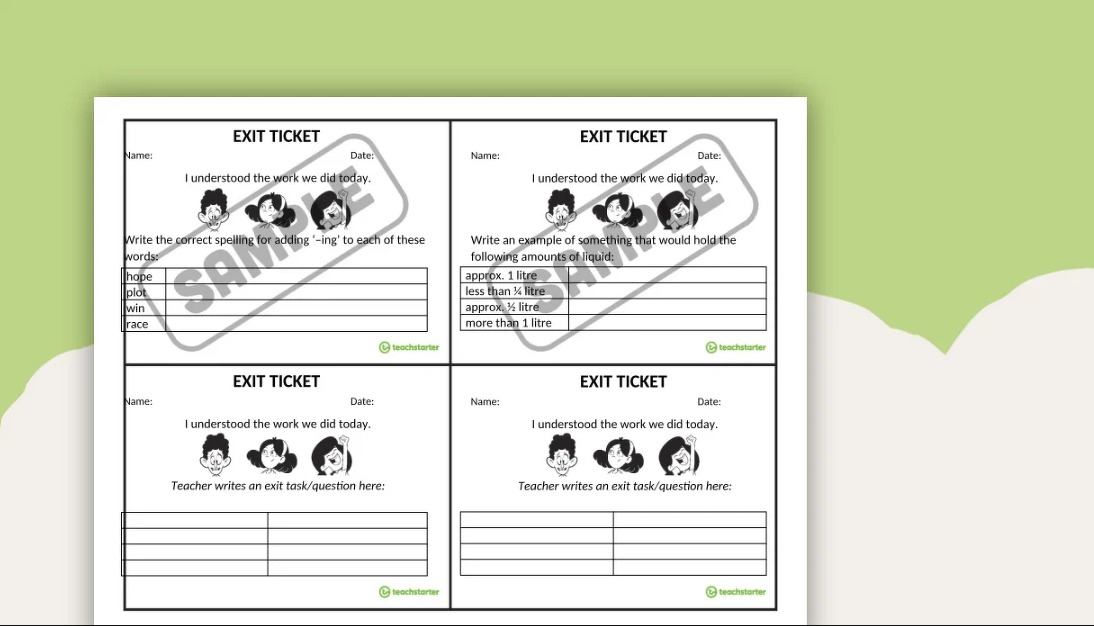
Warm-ups work best when they feel like the front door to something bigger. One simple pattern is the “exit ticket echo”: you pick two or three strong or interesting exit ticket responses from the previous lesson, anonymize them, and turn them into the next day’s warm-up.
Students might be asked to agree or disagree with a statement, highlight what is missing from a solution, or improve a peer’s explanation. Crostini’s real‑time thumbnails make it easy to spotlight a few examples on the projector and surface common misconceptions without putting any one student on the spot.
3. Use warm-ups as a low-stakes formative check
Because warm-ups are short, they are perfect for formative assessment. A single multiple‑choice item with well‑designed answer options can reveal whether students are ready to move on or need another example. Open‑ended prompts help you see the language students use to describe a concept before you grade a larger assignment.
Inside Crostini, you can tag a warm-up as “formative” and quickly scan responses in thumbnail view. Instead of handing back a surprise quiz two days later, you adjust that day’s lesson in real time: more modeling for Group A, extension problems for Group B, and a quick reteach for students who shared similar misconceptions.
4. Keep prep light with reusable templates
Warm-ups only become a habit if they fit into your planning bandwidth. Start by building three or four generic Crostini templates—“Do Now”, “Predict”, “Connect to Prior Knowledge”, “Exit Ticket Echo”—and reuse them across units. For most days, you only swap out the prompt text and, occasionally, an image or diagram.
Over time you will build a bank of your favorite prompts: questions that always spark discussion, sentence stems that support emerging writers, or diagrams that expose common errors in math and science. A small investment now means future units launch with almost no additional prep.
5. Make routines visible to students and families
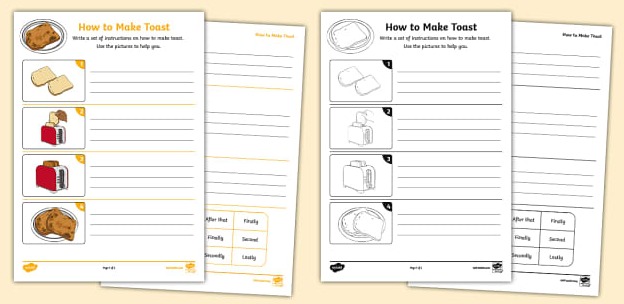
Routines stick when everyone understands them. Post a simple three‑step warm-up checklist in your classroom and learning management system: 1) Open Crostini, 2) Find today’s warm-up, 3) Answer before the timer. Share a screenshot of a typical warm-up in your family newsletter so adults at home know what students see when class starts.
When students arrive late or return from an absence, they can still participate because the routine is familiar and archived. You can even assign warm-ups asynchronously as a quick way to reconnect students who have been away from class for a few days.

6. Reflect and iterate with your team
Finally, treat warm-ups as a living part of your teaching craft rather than a fixed script. Every few weeks, export a handful of responses and look for patterns: Which prompts generated the richest thinking? Where did students rush or give one‑word answers? Which routines seemed to calm the room fastest?
Share those insights with your grade‑level or department team. You might trade prompt banks, co‑create new templates, or design cross‑curricular warm-ups that build skills across subjects. As you refine your approach, those first five minutes become a reliable engine for engagement instead of a scramble to get started.
Bottom line: Crostini warm-ups are not one more thing to add to your plate—they are a way to reclaim time and attention you already spend on transitions. With predictable routines, reusable templates, and clear student expectations, your class can be thinking, writing, and discussing within minutes of the bell.